The design of patient rooms in a Behavioral Health Facility is a challenge that must take into account safety, durability and comfort. The unique design criteria of a Behavioral Health room is vastly different to a standard hospital room and all products installed within the space of a room must be carefully selected.
Everything from TV’s and clocks to lighting and even furniture must be considered in terms of environmental impact as well as how they contribute to the care and comfort of our patients. As well as TVs and clocks, other considerations for the internal environment of a healthcare building include lighting, ceilings, wall coverings, doors, floors, fixtures and furniture.
The design of a room is a very important consideration in ensuring that a care environment is both safe and therapeutic.
Balancing Safety and Comfort
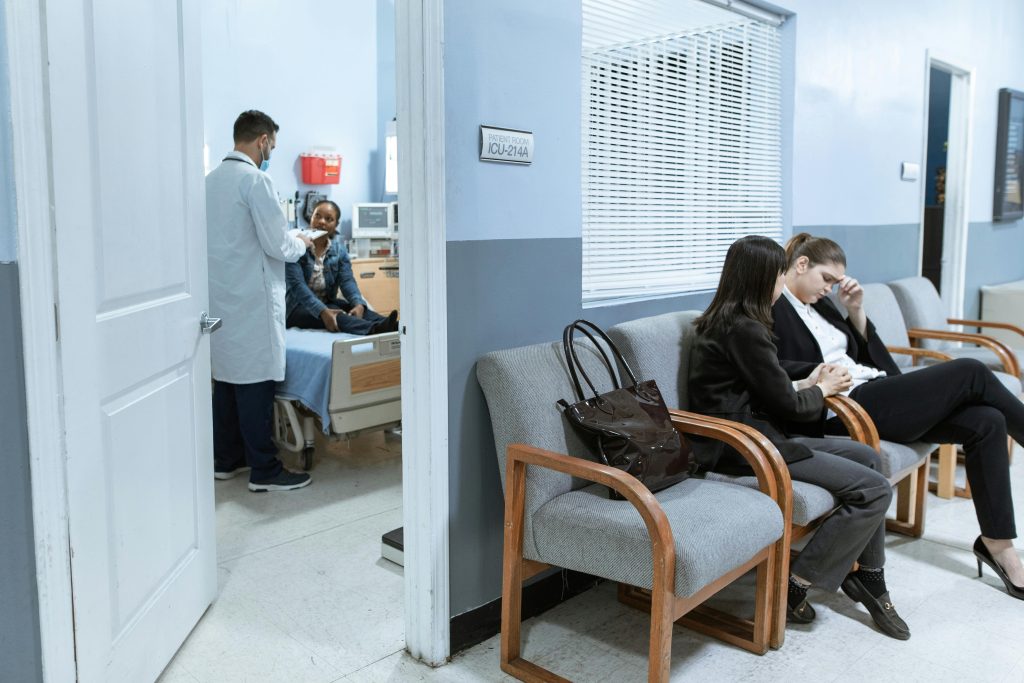
Most behavioral health facilities strive to provide environments that are peaceful and non-threatening, rather than institutional. However, there is always a need to consider safety in any environmental design.
Patient room equipment requires robust and secure design, without unnecessary features that could pose a risk to patient care. With thoughtful consideration of special products, facilities can provide patient rooms that are aesthetically and clinically acceptable spaces.
Equipment Considerations in Behavioral Health Rooms
There are several pieces of medical equipment that are typically installed in patient rooms that will need to be adapted to meet the specific needs of a behavioral health program.
These often include:
- Televisions
- Clocks
- Noticeboards
- Furniture
- Lighting fixtures
Off the shelf commercial furniture can often include such items as fasteners, screws, rivets and even locking points for closing compartments and drawers which may be inappropriate in a secure behavioral health setting. As a result, special products may be required for a safe environment.
Safe Television Installations
Patient Televisions Many hospitals consider equipping patient rooms with televisions as an amenity to the patients. Using a standard television fixture to hang these televisions from the ceiling will compromise safety due to exposed components.
This is why so many facilities are starting to implement TV enclosures for behavioral health to address this hazard. Anti-ligature TV enclosures make it so the TV is fully contained by a solid wall of heavy metal, and all hardware is taken off of the front of the TV, so nothing can be used as a means to harm oneself.
Prions TV can be installed as an “enclosed TV” by placing the TV in a safe and sound housing.
Durability and Maintenance
Even patient rooms are intended to withstand heavy everyday use in the most demanding environments, not least because of the potential for damaged equipment (e.g. falls, tugs on medical cables or even attempts to try and modify medical equipment).
Some of the features of these products include: Protective enclosures, tamper resistant fasteners, and durable materials to provide long life and low maintenance. These features will help ensure low maintenance of your facility over the long term.
Supporting Patient Recovery
Creating a safe environment is important to the overall experience of the care provided. Patient rooms should be thoughtfully designed to help patients feel safe and comfortable while in the hospital. Integrating safety features with functionality is an excellent way for Behavioral Health (BH) providers to design spaces that not only support the clinical treatment and healing process but are also safe and functional.
Related Behavioral Health Safety Guides
Behavioral Health TV Safety Guide
Surface Mounted vs Recessed Secure TV Casings
Protective TV Enclosure Installation Guide
Understanding Ligature Risk in Behavioral Health Facilities