Behavioral health facilities are designed to provide care and support for individuals experiencing mental health challenges. In these environments, safety is a key priority—not only for patients but also for the staff responsible for their care. One important aspect of creating safe spaces within these facilities is the use of anti-ligature equipment.
Anti-ligature equipment is specifically designed to reduce or eliminate potential attachment points that could be used for self-harm. While these design considerations may seem subtle, they play an important role in creating environments that support patient wellbeing and reduce environmental risks.
By carefully understanding ligature risk in behavioral health facilities, management can select and install the right equipment, healthcare facilities can create safer and more supportive environments without compromising functionality or comfort.
Understanding Ligature Risks in Behavioral Health Environments
A ligature risk refers to any fixed point where a cord, fabric, or similar material could potentially be attached to create a point of self-harm. In behavioral health settings, these risks can appear in places that might otherwise go unnoticed.
Common examples may include door hardware, plumbing fixtures, wall-mounted equipment, or furniture components. Even everyday items such as televisions or clocks can present hazards if they are not designed specifically for secure healthcare environments.
Because of this, architects and facility planners carefully evaluate the design of patient rooms and shared areas to ensure that potential risks are minimized wherever possible.
Why Anti-Ligature Equipment Is Important
Anti-ligature equipment helps reduce environmental hazards while maintaining the functionality required within healthcare spaces. These products are engineered with specific design features intended to prevent cords or materials from being attached to them.
Common design characteristics include sloped surfaces, concealed mounting hardware, and tamper-resistant fasteners. These features work together to reduce potential attachment points while ensuring that equipment remains secure and durable.
For behavioral health facilities, using specialized equipment allows televisions, clocks, and other essential items to remain available to patients while still supporting a safe environment.
For televisions in patient-accessible areas, PROENC manufactures ligature resistant TV enclosures designed specifically for behavioral health and secure environments.
Examples of Anti-Ligature Equipment
Several types of equipment are commonly used in behavioral health environments to improve safety.
TV enclosure for Behavioral health are designed to house televisions within a secure steel cabinet. These enclosures eliminate exposed brackets and cables while protecting the screen from damage or tampering. If you need more information see the Complete Guide to Secure TV Systems
Ligature-resistant clocks are frequently installed in patient areas so that individuals can maintain a sense of time and routine without introducing potential hazards.
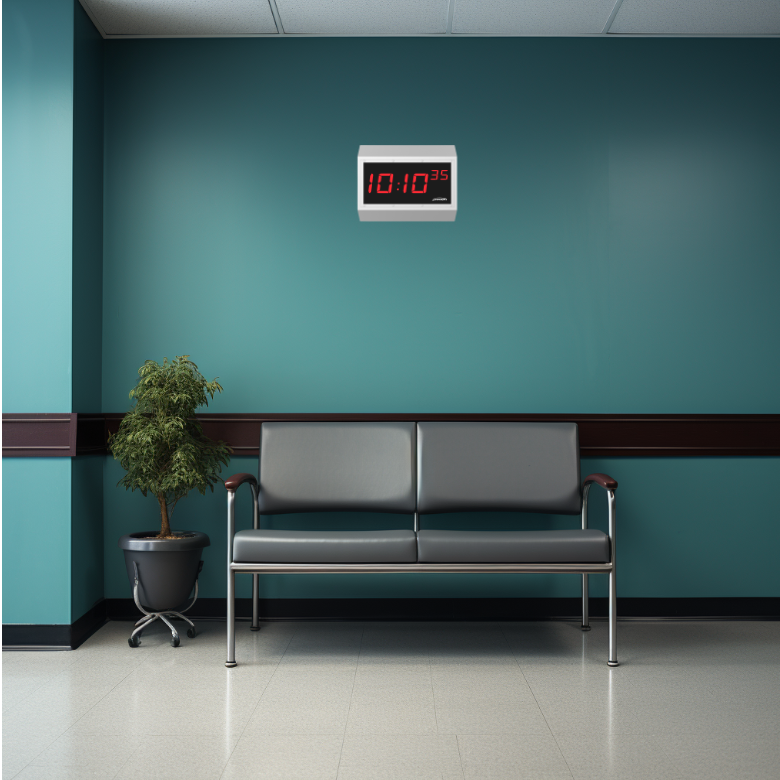
Secure noticeboards provide a safe way to display important information while preventing access to sharp edges or removable components.
Other fixtures, furniture, and lighting elements may also be designed with ligature-resistant features to further reduce environmental risks.
Supporting Safer Facility Design
Creating safer behavioral health environments requires thoughtful planning and collaboration between architects, healthcare providers, and facility managers. Anti-ligature equipment plays a key role in this process by helping eliminate potential hazards while maintaining the functionality required in patient spaces.
These safety-focused design solutions allow facilities to support patient recovery while protecting both patients and staff from unnecessary risks.
By integrating specialized equipment throughout behavioral health environments, healthcare facilities can continue improving the safety and effectiveness of the spaces where care is provided.
Related Behavioral Health Safety Guides
Behavioral Health TV Safety Guide
Behavioral Health TV Safety Guide
Surface Mounted vs Recessed Secure TV Casings
Protective TV Enclosure Installation Guide
Understanding Ligature Risk in Behavioral Health Facilities
Designing Safe Behavioral Health Patient Rooms